
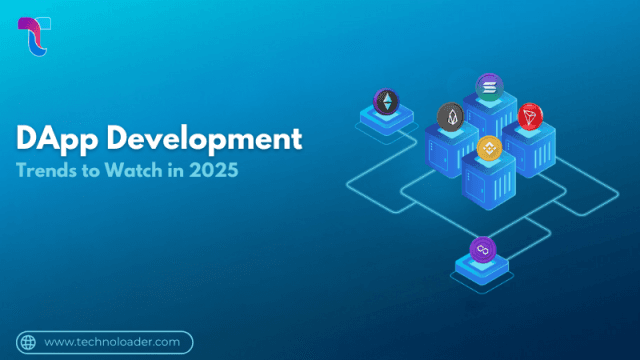
Decentralized applications, also known as DApps, are quickly moving from a niche blockchain experiment to a true force of industry transformation. As we approach 2025, the DApp space is becoming even more dynamic, driven by improvements in blockchain technology, user desire for transparency, and the desire for decentralized control for every industry. Funding and innovation in this space are creating a need for you to stay on top of the future of DApp development.
Key Trends Shaping DApp Development in 2025
Cross-Chain Interoperability
One of the most significant trends is the rise of cross-chain technology. DApps will surpass single-blockchain ecosystems in 2025. Developers are developing applications that operate across multiple blockchain networks, thereby optimizing user experience and liquidity. Leading protocols, Polkadot, Cosmos, and LayerZero, enable DApps to easily communicate and transact across chains.
Improved User Experience (UX)
As mainstream users focus more on integrating DApps into their workflow, the focus on intuitive and accessible interfaces is at an all-time high. Developers are working towards easier onboarding, faster transactions, and simplified wallet integration. Gasless transactions and social logins are expected to become more ubiquitous, helping to reduce some of the friction for non-technical users.
AI Takeover
Artificial intelligence is just beginning to be synthesized with blockchain technology in valuable ways. By 2025, DApps are expected to adopt AI in features such as predictive analytics, personalized experiences for users, faster smart contract auditing, and even on-chain governance. This synthesis provides smarter and more efficient DApps that can learn from user behavior as well as react to system demands.
Business adoption and real-world use cases
Organizations are increasingly adopting DApps for use cases such as supply chain tracking, financial services, healthcare data sharing, and decentralized identity. As the regulatory infrastructure becomes more mature and friendly to the blockchain space, organizations will become more comfortable running scalable DApps that provide real value beyond cryptocurrencies.
The rise of modular blockchain architectures
DApp developers are starting to adopt modular architectures that lend themselves to greater customization, scalability, and maintainability. Platforms such as Celestia and Avalanche are creating frameworks for developers to choose their own components for consent, data availability, and execution — creating a more customized solution for an application.
Conclusion
As decentralized applications continue to shape the future of the digital world, it is important for developers, investors, and businesses to stay updated on these trends. If you hope to unlock the best use of decentralized applications in 2025, we recommend you check out Technoloader, a leading DApp development company where you can leverage their deep expertise and leading capabilities to make your decentralized dream a reality.